Blog

  • Cigarettes, Cigars and Vaping: Which Habit Puts You Most at Risk?

    A Q&A on the comparative dangers of smoking and vaping

    April 23 2019

    Makers of electronic cigarettes claim they are safer than tobacco products, and consumers are buying in. Since hitting the U.S market in 2007, e-cigarettes have exploded in popularity. But how do cigarettes, cigars and e-cigarettes really stack up when it comes to your health?

    Much is still unknown about e-cigarettes, especially in the long-term. To help sort fact from hype, head and neck surgeon Brandon Prendes, MD, answers questions about the dangers of smoking and what we know so far about e-cigarettes.

    Q: How do e-cigarettes work?

    A: E-cigarettes come in a variety of shapes and sizes. But all devices operate in the same way. A battery powers a coil, which heats a liquid that nearly always contains nicotine. This produces a vapor that users inhale, just as with a traditional cigarette.

    This process, called vaping, resembles smoking, but no actual combustion occurs. E-cigarettes deliver nicotine without the tar and smoke of a traditional tobacco cigarette. But the user still receives a dose of nicotine directly into the lungs and bloodstream.

    Q: Is vaping any safer than smoking cigarettes or cigars?

    A: Cigarettes are still the No. 1 preventable cause of death in the United States.

    “Cigarette smoking is the most well-researched of the three nicotine delivery systems and undoubtedly poses serious and significant health risks, which have been clearly defined,” Dr. Prendes says. “These include increased risk for head and neck, lung, esophageal, pancreatic and urologic cancers, as well as vascular, cardiac, pulmonary disease and wound healing issues.”

    He says the overall health risk of e-cigarettes appears lower than that of traditional cigarette smoking.

    He adds, however, “The long-term health risks and addiction risks associated with vaping are currently unknown, including the effect of e-cigarettes on lung health and cancer risks. More research must examine any health effects of inhalation.”

    Q: Why is more e-cigarette research needed?

    A: In addition to the long-term health risks of vaping — which researchers can only study over time — several other questions remain unanswered.

    Research links chemicals found in e-cigarette vapor, such as formaldehyde, with head and neck cancers, Dr. Prendes says.

    Common chemicals in certain e-cigarettes, as well as in their flavorings, meet the Food and Drug Administration’s (FDA) definition of generally recognized as safe. But that FDA designation applies to oral ingestion.

    “These substances have unknown health effects on the lungs and need more study,” Dr. Prendes says.

    Q: How do cigars compare with cigarettes and vaping?

    A: Some cigar smokers don’t inhale and/or don’t smoke as frequently as cigarette smokers. This may suggest that cigar smoking is somehow safer. But that is not true.

    “Cigar smoking carries similar health risks to cigarette smoking,” Dr. Prendes says.

    Research links it to oral, esophageal, pancreatic, laryngeal and lung cancers, coronary artery disease and aortic aneurysm.

    “Most of these risks are still elevated even in smokers who don’t inhale,” he says.

    In relation to vaping, he says, “There is no research to my knowledge comparing these two delivery systems specifically, but it is a widely held view among physicians and authorities that combustible tobacco use — which includes cigars — is more hazardous to health than e-cigarette use.”

    Q: Can e-cigarettes help smokers quit?

    A: There is some evidence that e-cigarettes help smokers give up tobacco, Dr. Prendes says. And some smokers prefer e-cigarettes over traditional nicotine replacement therapies like patches and gum. But, with the lack of long-term data, doctors should still recommend the conventional therapies first, he says.

    “If patients have tried all of these methods and are still unable to quit combustible tobacco products, then e-cigarettes may provide assistance to some patients to help them quit,” he says.

    Q: What’s the bottom line on the risks of cigarettes, cigars and e-cigarettes?

    A: While Dr. Prendes and most experts, including those at the Centers for Disease Control, agree that e-cigarette use poses lower health risks, nicotine in any form is dangerous. Pregnant women and those who have a heart condition are particularly vulnerable and should avoid cigarettes, cigars and vaping.

    Dr. Prendes’ best advice is that if you don’t smoke or vape, don’t start. If you are a smoker or a vaper, get help to kick the habit to improve your health in the long-term.

    https://health.clevelandclinic.org/health-risks-of-vaping-compared-to-tobacco-smoking/
  • Teens & Vaping: What You Need To Know


    Vaping is relatively new and most parents and teachers are oblivious to it. “Tobacco use among middle and high school students has been steadily decreasing since 2014. However, since the introduction of the e-cigarette, that number is now increasing, and it is estimated that one in five high school students may now be using tobacco products.  E-cigarette use from 2017 to 2018 increased 78% among high school students and 48% among middle school students. According to statistics, Black students are the least likely to use or continue to use e-cigarettes or to vape but the numbers are rising.

    We’re going to cover the facts so that you know what to look for and how to help your teen.

    • Vaping is a device that uses nicotine, marijuana, or flavoring.
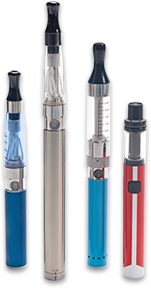
    • Vape pens come in all colors, shapes, and sizes. It can look like a pen, a USB flash drive/thumb drive, or a big eraser. Many vape pens plugin and recharge via USB in a computer port, making it easy for you to mistake it for a computer flash drive.
    • Vape pens and e-cigarettes work by heating a liquid to generate an aerosol that the user inhales.
    • Teens who take the cover off of the pen, to “drip,” meaning dripping the vaping liquid directly on the coils to get a better smoke cloud are putting themselves at risk of inhaling even more powerful and harmful chemicals. “Allowing the liquid to get super hot can transform harmless chemicals in the e-liquid into toxic ones. (Note: At least one recent study showed that the hotter the vaped liquid became, the more likely it was to undergo such a toxic transformation.) And dripping makes this super-heating likely. Some people even use attachments, called atomizers, to do this more effectively.” According to ScienceNewsForStudents.org, one out of four student vapors in their study had tried dripping.
    Photo Credit: Pod Vapes
    • It basically has no smell and is difficult to detect. JUUL (pronounced “jewel”) vapor smells sweet and is hard to distinguish and it dissipates so quickly that teens can smoke in school and home and mostly avoid detection.
    • The most popular vape pen amongst teens is the “JUUL” vape pen, an e-cigarette that comes with a vaporizer and pre-filled containers of nicotine liquid is soaring in popularity.”
    Source: ParentsAgainstVaping.org
    • Teens vaping nicotine via the JUUL will receive twice the amount of nicotine that is in a cigarette making it highly addictive. Many students who are addicted, can’t get through the school day without vaping.
    • The device is unique among e-cigs in that it contains twice the nicotine of comparable devices. Its makers have acknowledged that factor may have played a role in the JUUL’s rapid success: it generated $224 million in retail sales from November 2016 to November 2017 and snagged a third of the total e-cig market share. As of February 2018, it now accounts for over 50% of e-cig market.
    • According to ParentsAgainstVaping.org, young people appear to be especially drawn to the device, which is discrete enough to hide and boasts candy-like flavors.
    • The JUUL vape pen appears to have a loyal and growing following among young people, who brag on social media about sneaking puffs in classrooms or school bathrooms.
    • A growing list of experts are concerned that the JUUL targets young people, whose brains are especially vulnerable to nicotine and addiction.

    Source: https://www.parentsagainstvaping.org

    Source: CDC

    Side Effects of Vaping

    Vaping is still relatively new and the long term effects are unknown. Because the long term effects are unknown doesn’t mean that e-cigarettes and vaping are safe.

    Dental Caries and Gum Disease

    One of the side effects that dentists are seeing is the increase in cavities and receding gums which can lead to tooth loss. Compared to traditional tobacco use, e-cigarettes may be as dangerous to oral health, if not more dangerous.

    Oral and Throat Damage

    Vape liquid contains cancer-causing substances and many users complain of oral sores and mouth bleeding that are slow to heal.

    Popcorn Lung

    According to the American Lung Association, using electronic cigarettes or vaping, particularly the flavored varieties, can cause popcorn lung. Once the dangers associated with diacetyl were discovered in the early 2000s, the majority of popcorn producers stopped using the chemical. While treatments exist to limit and manage symptoms, currently there is no cure for popcorn lung, and it is considered life-threatening.

    Vaper’s Cough

    Chronic bronchitis is often referred to as “smoker’s cough.” In a study, recent vapers were about twice as likely to have chronic bronchitis as were kids who had never vaped, the researchers report. Students who had vaped in the past, but not in the last month, also were about as likely as current vapers to have chronic bronchitis.

    Cancer and Heart Disease

    E-cigarette users are possibly putting themselves at risk for developing heart disease, lung and bladder cancers, according to a new report.

    Brain Damage

    Some e-cigarettes contain nicotine. Nicotine is highly addictive and can harm adolescent brain development, which continues into the early to mid-20s. It can also affect a teen’s mood and focus leading to problems at school and failing grades.

    Addiction

    Young people who use e-cigarettes may be more likely to smoke cigarettes in the future.

    We know from psychology that the adolescent can only think as far as the here and now and not about any long term repercussions that may come from vaping in their future. Peer pressure can pull your child into this epidemic. Parents have to educate their teens on the long-term effects and possible addictions that can occur. Go to ParentsAgainstVaping.org for more information.

    https://successfulblackparenting.com/teens-vaping-what-you-need-to-know/

  • 9 Pros and Cons of Vaping You Need to Know

    Dave Kriegel

    QUICK LINKS

    1. Benefits of vaping
    2. Cons of vaping
    3. The choice is yours

    There are a lot of mixed opinions out there about vaping. You might have come across an article talking about the health benefits of electronic cigarettes, and the very next day see a news report that makes vaping sound dangerous. If you’ve been thinking about making the transition lately, it can be a confusing choice to make. In this guide, we will cover the real vaping pros and cons so you have a clear frame of reference to decide whether it’s right for you.

    Benefits of vaping

    Vaping Pros and Cons

    1. It’s safer than smoking: Just ask the Royal College of Physicians. They’re a prestigious organization representing over 35,000 doctors worldwide. They have stated that vaping is at least 95% safer than smoking based on their extensive research. Since there’s no combustion, tar or ash associated with vaping, switching to it from smoking enables the user to experience health benefits from being smoke-free. That means better oral hygiene, skin health, circulation, lung capacity and an improved sense of smell and taste.

    2. No noxious odors: One of the biggest advantages of vaping is that you and your environment won’t smell of smoke. Vaping may have an aroma from the flavors used, but it’s not the smoke from dead tobacco leaves! To some people, the smell of vapor is barely noticeable. Sometimes you might even get a few complements on the aroma. Even if you vape tobacco flavors, it won’t smell like the rank fumes that come from burning tobacco leaves.

    3. Control over nicotine intake: Vaping gives you full control over your nicotine dosage. E-juice is available in a variety of strengths, ranging from nicotine-free to high-strength nicotine. You can choose exactly how much nicotine is in your vape, if you decide to use any at all. Most vapers tend to start off with high nicotine levels, and gradually work their way down to lower levels, or eliminate it completely.

    4. Control over vapor output: A major advantage of vaping is having control over the amount of vapor you exhale. Smaller devices like pod vapes are designed for convenience and low vapor, whereas the high-powered mods are better suited for cloud chasing. Adjusting the power output, airflow, and coil type also lets you fine tune your vapor volume. You can be as minimal or showy as you like, depending on how you choose to vape.

    5. Flavors for every palate: When it comes to flavors, there are virtually endless options to choose in e-juice. There are also new flavors being created all the time, so you’ll never run out of new ones to try. Some of the more popular favorites include fruit, desserts, beverages, foods, menthol, and tobacco.

    6. Instant satisfaction: The convenience factor is high with vapes due to how quickly you can silence cravings. Although advanced vapes may require initial tinkering, lots come prefilled and are ready for immediate use. Either way, once the vape is ready, taking a hit is as simple as pushing a button or drawing on the device (some have an automatic draw). While all vapes need a charged battery and e-juice to continue working, the average vape can sustain you throughout the day with no maintenance or upkeep. It’s ready when you are.

    7. Price points for every wallet: There is a vapor product out there for you, no matter what your budget is. The vaping market has expanded in the last past few years and competition is plentiful. There are a wide range of products in every price range—from disposable e-cigs, to sophisticated vape mods and top-shelf e-liquids. If you’ have less than ten dollars to spend, you can still find a vape that’s ready for immediate use.

    8. No experience needed: Yes, there are some more advanced products out there, but there are also many that cater to the rank beginner. There are countless options that require no prior experience. Devices like pod vapes and beginner vape starter kits are perfect examples. Some of them are draw-activated, so all you need to do is puff on them and they automatically engage.

    9. Wide access and availability: Vaping is much more accessible than when it first started. Today you can find vapor products in your local convenience stores, gas stations, smoke shops and of course, vape shops. There are also many great online vape shops that deliver everything you need, directly to your doorstep. Just about every single place that sells tobacco these days, is most likely going to also carry vapor products.

    Cons of vaping

    Vaping Pros and Cons

    1. Overwhelming options: There’s almost unlimited choices in equipment, e-liquid, and even vaping styles. It can be hard to process, especially compared to the relative ease of choosing a cigarette brand and lighting up. That’s why it’s so important for new vapers to start simple with a basic starter kit. You can also find help at a vape shop, a vaping forum, or from friends who vape. Luckily, experienced vapers are usually happy to help teach you how to vape!

    2. Technology learning curve: Not only is the market saturated, a lot of the devices are for hobbyists. Although advanced hardware is not for beginners, much of the information on the internet focuses on it. This can lead you to think vaping requires complex knowledge to experience it. That’s not true! Vaping can be very simple despite how it may seem.

    3. Youthful perception: Depending on your area, the legal age to buy vapes is either 18 or 21 years old since the enactment of Tobacco 21 laws. But that’s just the minimum age requirement. The popular perception about vaping is that it’s a young adult activity. Adults that vape can be found in any age bracket from 18 on up. The sad part though is that many older adults don’t feel a connection to the culture of vaping, which very well could help them with their deadly addiction to smoking.

    4. Cumulative costs: Like other consumable based products, vaping requires repeat purchases. No matter how your device is designed, e-liquid will always need to be replenished. The price of e-liquid and quantity it’s sold in varies. Some brands are expensive, but there’s also plenty of cheap e-juice available. Still, one bottle will not last forever. And while the price of one bottle is rarely going to make or break someone, the costs will add up when buying too many flavors. This is why many begin choose to DIY e-juice. It’s relatively easy to do and it cuts costs significantly.

    5. Stigma of nicotine: Nicotine is a lightweight as drugs go. It’s a mild stimulant that also paradoxically relaxes the user. But because its history is inevitably tied to smoking — which is a highly dangerous delivery mechanism—nicotine has a bad name. Many people don’t distinguish between nicotine and smoking. If you’re going to use it, you might have to grow a thick skin and learn to ignore some dirty looks and uninformed opinions from judgmental types. Most people don’t know the facts about nicotine, so it’s advisable to arm yourself with the truth.

    6. Uncertain health risks: The most long-term study on vaping is 3.5 years. It showed no negative health effects from its participants. Unfortunately, there’s no longer-term research beyond that. Because vaping is a new phenomenon, barely a decade old, it’s impossible to have truly long-term data. If you vape, you’re taking a risk that some serious hazard might be discovered in the future. But if you’re using vaping to stay off cigarettes, you can at least rest easier knowing that you’ve distanced yourself from the well-documented dangers of smoking.

    7. Scary headlines: There are lots of myths and rumors about vaping perpetuated in the news. Some of them have a kernel of truth, some are just made up. Some headlines may be true but are isolated cases made to look like an epidemic. Almost nothing in life is truly safe from possible harm, but the onus is consistently put on vaping to be such. What we know for sure is that it’s much safer for you than smoking.

    8. Treated like smoking: Vaping looks like smoking, and both can provide nicotine for those who want it. Aside from that, they have little in common. When you light a cigarette, you’re incinerating dead tobacco and inhaling the smoke, which is full of tar and carbon monoxide that damage your lungs and cardiovascular system. Although second-hand vapor has been shown to be non-toxic, vapers often get treated like they are poisoning the air when vaping. Most spaces where smoking isn’t allowed also prohibit vaping.

    9. FDA regulations and rules: The FDA was given regulatory authority over cigarettes and tobacco in the 2009 Tobacco Control Act. That Congressional act also gave the FDA the ability to define new products as tobacco if they contain “nicotine derived from tobacco.” Oddly enough, even for e-liquid that has zero nicotine, the FDA requires a disclaimer that the product does contain it. That’s how the FDA “deemed” vaping products and e-liquid (and their components and parts) to be tobacco products in 2016, no matter the actual contents. The “Deeming Rule” allows the agency to approve or deny which products can be sold, and that process is just beginning.

    The choice is yours

    By now you should have a better understanding about the pros and cons of vaping. There are a number of points on both sides. But if you consider that vaping is an alternative to smoking, it should be obvious that it’s the best choice of the two. Although vaping is not the only way to combat cigarette addiction, all the other choices have pros and cons as well. Chantix has helped some people quit smoking too, but one of its side effects is “thoughts or actions suicide”—how is that for a scary!

    Vaping is not a magic bullet for everyone though. You might decide that it’s not for you, but you might enjoy it so much that you never go back to smoking. Whichever choice you make, you now have a sober sense of the benefits and the downsides of vaping.

    https://vaping360.com/learn/pros-cons-benefits-vaping/
  • Vaping: What You Need to Know

    What Is Vaping?

    Vaping is the inhaling of a vapor created by an electronic cigarette (e-cigarette) or other vaping device.

    E-cigarettes are battery-powered smoking devices. They have cartridges filled with a liquid that usually contains nicotine, flavorings, and chemicals. The liquid is heated into a vapor, which the person inhales. That’s why using e-cigarettes is called “vaping.”

    What Are the Health Effects of Vaping?

    Vaping hasn’t been around long enough for us to know how it affects the body over time. But health experts are reporting serious lung damage in people who vape, including some deaths.

    Vaping puts nicotine into the body. Nicotine is highly addictive and can:

    • slow brain development in kids and teens and affect memory, concentration, learning, self-control, attention, and mood 
    • increase the risk of other types of addiction as adults

    E-cigarettes also:

    • irritate the lungs
    • may cause serious lung damage and even death
    • can lead to smoking cigarettes and other forms of tobacco use

    Some people use e-cigarettes to vape marijuana, THC oil, and other dangerous chemicals. Besides irritating the lungs, these drugs also affect how someone thinks, acts, and feels.

    How Do E-cigarettes Work?

    There are different kinds of e-cigarettes. But many people use the Juul. This e-cigarette looks like a flash drive and can be charged in a laptop’s USB port. It makes less smoke than other e-cigarettes, so some teens use them to vape at home and in school. The Juul pod’s nicotine levels are the same as in a full pack of cigarettes.

    Do You Have to Vape Every Day to Get Addicted?

    Even if someone doesn’t vape every day, they can still get addicted. How quickly someone gets addicted varies. Some people get addicted even if they don’t vape every day. 

    What About E-cigarettes That Don’t Have Nicotine?

    Most e-cigarettes do have nicotine. Even e-cigarettes that don’t have nicotine have chemicals in them. These chemicals can irritate and damage the lungs. The long-term effects of e-cigarettes that don’t have nicotine are not known.

    Why Should People Who Vape Quit?

    People who vape need the right motivation to quit. Wanting to be the best, healthiest version of themselves is an important reason to quit vaping. Here are some others:

    Unknown health effects: The long-term health consequences of vaping are not known. Recent studies report serious lung damage in people who vape, and even some deaths.

    Addiction: Addiction in the growing brain may set up pathways for later addiction to other substances.

    Brain risks: Nicotine affects brain development in kids and teens. This can make it harder to learn and concentrate. Some of the brain changes are permanent and can affect mood and impulse control later in life.

    Use of other tobacco products: Studies show that vaping makes it more likely that someone will try other tobacco products, like regular cigarettes, cigars, hookahs, and smokeless tobacco.

    Toxins (poisons): The vapor made from e-cigarettes is not made of water. The vapor contains harmful chemicals and very fine particles that are inhaled into the lungs and exhaled into the environment.

    Sports:To do their best in sports. Vaping may lead to lung inflammation (irritation).

    Money: Vaping is expensive! The cost of the cartridges over time starts to add up. Instead, someone could spend that money on other things that they need or enjoy.

    To go against tobacco company advertising: Many e-cigarettes are made by the same companies that produce regular cigarettes. Their marketing targets young people by making fun flavors for e-cigarettes and showing young, healthy people vaping. They are trying to make kids and teens of today into their new, lifetime customers.

    How Can Kids and Teens Quit Vaping?

    For kids and teens who want to quit, it can help to:

    • Decide why they want to quit and write it down or put it in their phone. They can look at the reason(s) when they feel the urge to vape.
    • Pick a day to stop vaping. They can put it on the calendar and tell supportive friends and family that they’re quitting on that day.
    • Get rid of all vaping supplies.
    • Download tools (such as apps and texting programs) to their phone that can help with cravings and give encouragement while they’re trying to stop vaping.
    • Understand withdrawal. Nicotine addiction leads to very strong cravings for nicotine. It can also lead to:
      • headaches
      • feeling tired, cranky, angry, or depressed
      • trouble concentrating
      • trouble sleeping
      • hunger
      • restlessness

    The signs of withdrawal are strongest in the first few days after stopping. They get better over the following days and weeks.

    How Can Parents Help?

    To help kids understand the risks of vaping and take control of their health, you can:

    • Share the just-for-teens version of this article with your child.
    • Suggest that your child look into local programs and websites that help people quit vaping. Your health care provider can help you and your child find the right support.
    • Lend your support as your teen tries to quit.
    • Set a good example by taking care of your own health. If you smoke or vape, make the commitment to quit.

    Talk to your kids about the reports of serious lung damage, and even deaths, in people who vape. Call your doctor right away if your child or teen vapes and has:

    https://kidshealth.org/en/parents/e-cigarettes.html
  • Vapes and Cigarettes

    Different products. Same dangers.

    Vapes and Cigarettes. Different products. Same dangers. Addiction. Nicotine. Cancer-causing chemicals.

    Vapes and cigarettes are a lot alike. They both put nicotine and cancer-causing chemicals in your body. And they are both highly addictive and dangerous for young people.Skip table of contents

    TABLE OF CONTENTS

    Get the facts about vapingWhat you can doFor help quittingLearn more

    Get the facts about vaping

    Here are some of the most important things to know:

    Vaping is addictive
     
    • Vapes and e-juices contain nicotine, an addictive chemical that is extremely hard to quit
    • Nicotine is the same drug used in cigarettes, cigars, and other tobacco products
    • Some vape pods have as much nicotine as 20 cigarettes (a pack of cigarettes)
    • Because your brain is still developing until your mid 20s, you have a greater risk of becoming addicted to nicotine
    Vaping can harm your brain and the rest of your body
     
    • Nicotine can harm your brain, including your memory and ability to learn
    • It’s not water vapor—aerosol from vaping has cancer-causing chemicals
    • Vapes can also contain harmful (and possibly harmful) ingredients such as:
      • Very fine particles that can be inhaled deep into the lungs
      • Flavoring such as diacetyl, a chemical linked to a serious lung disease
      • Heavy metals such as nickel, tin, and lead
      • Volatile organic compounds
    • The Food and Drug Administration (FDA) is the organization that makes sure drugs are safe and effective. This is called “regulating.” The FDA is supposed to regulate e-juices and vaping devices, but they haven’t started yet. So we can’t be sure what is in these products.
    The vaping industry targets you
     
    • The tobacco and vaping industries target young people so you’ll become lifetime users addicted to their products. Cigarette makers own and invest in vape companies.
    • The vaping industry makes their products taste like fruit or candy so you will want to try them
    • If you vape, you are 4 times more likely to smoke cigarettes

    What you can do

    Now that you know the facts, talk to your friends and family about the dangers of vaping.

    Get involved. Join your school’s SADD or 84 Chapter to spread the word. Don’t have an 84 Chapter? Learn more and start one!

    For help quitting

    Quitting vapes or other tobacco/nicotine products is hard. Here are some ways to get the support you need:

    • This is Quitting powered by truth® is a free and confidential texting program for young people who vape. Text “VapeFreeMass” to 88709 to get started! In partnership with the Massachusetts Department of Public Health.
    • My Life, My Quit™ has youth coach specialists trained to help young people by phone or text. Call or text “Start My Quit” to 855-891-9989 for free and confidential help. For more information or to sign up online, visit mylifemyquit.com.
    • Visit teen.smokefree.gov for tools and tips to help you quit.
    • Ask for help from your school nurse or counselor, athletic coach, doctor, parent or other trusted adult.

    Learn more

    For young people, check out:
    For parents, teachers, and adults:

    Get the facts and learn what you can do to protect young people from the dangers of vaping:  

    https://www.mass.gov/info-details/vapes-and-cigarettes
  • Vaping Products

    Would you know an electronic nicotine delivery system if you saw one?

    Electronic nicotine delivery systems are commonly known as e-cigarettes but are also known as e-cigs, vape pens, e-hookahs, e-pipes, tanks, mods, vapes, and more.

    Some are made to look like regular cigarettes, cigars, or pipes. Larger devices such as tank systems do not resemble other tobacco products. And some resemble pens, USB sticks, and other everyday items.

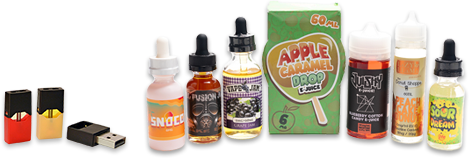
    E-cigarettes can be open or closed systems.  Open systems require the user to add an e-liquid.  Closed systems use pre-filled cartridges or pods.

    En Español. 

    Rechargeable E-Cigarettes

    Rechargeable e-cigarettes often look like small electronic devices such as a USB stick. Common brand names are JUUL, Bo, and myblu. They frequently are sold with pre-filled cartridges or pods.

    Disposable E-Cigarettes

    Disposable e-cigarettes often appear like actual, filter cigarettes in both shape and coloring. Common brand names include Zig Zag, Vapor4Life, V2, and White Cloud.

    Tank Systems

    Tank systems come in medium- to large-size devices that bear little or no resemblance to other tobacco products. They come in disposable and “rebuildable” versions, under brand names such as Aspire, Smok, Vaporesso, and Kangertech.

    Vape Pens

    Medium-sized tank vaping devices are commonly referred to as vape pens.  They are generally more compact than other vape devices and are relatively easy to conceal. Pens have often been used discreetly by youth at school and home.  Common pen brands include JUUL, Aspire, Apollo, and Kanger among others.

    E-Liquids & E-Juices

    E-cigarettes and other vaping devices are considered either open or closed systems.  In open systems, the user adds the e-liquid (commonly referred to as e-juice). In closed systems, the user uses pre-filled cartridges or pods.  The vaping devices convert the e-liquids into an inhalable aerosol.

    E-liquids/juices come in thousands of flavors including chocolate, cotton candy, fruit punch, gummi bear, banana, peach, lime, and many others. Flavors are often cited as the main reason youth try these products.

    http://makesmokinghistory.org/dangers-of-vaping/products/

  • Vaping – A Journey Through its History

    Is vaping old?

    Vaping is a modern trend, but even new vapes have their roots in ancient history. Ancient Egypt is known for its vaping techniques, such as using hot stones to vape herbs. Thousands of years ago the first shisha was introduced to India. All those techniques led to the invention of current vapes as we know them today.

    Who invented the contemporary e-cigarette?

    The modern history of vaping has its origins in ancient times. The first who came up with the idea of an e-cigarette is Joseph Robinson in 1927. However, it was in 1963 when Herbert Gilbert and his “smokeless non-tobacco cigarette” made vaping popular. The Chinese firm Hon Lik made the first modern e-cig in the mid-2000s.

    History Of Vaping: Definition & Facts

    One of the most popular, socially tolerable and favorite drugs of people is nicotine. As such, people have tried different ways to consume it. They tried to smoke it, to vape it, to chew it, or apply it on their skin. It shouldn’t surprise you to hear about people who try to inject nicotine no matters how deadly that could be. You can find nicotine in tobacco. And often they mix and consume tobacco with other substances like marijuana while drinking alcohol.

    Many devices have been invented to satisfy people’s obsession with nicotine: hookahs, bongs, etc. However, we live in a tech society. That’s why recently, vaporizers have become a cool trend with their variety of tastes and forms.

    Vaporizing has a long history. Herodotus describes, in Egypt (5th century B.C.) people were heating herbs and oils on hot stones to vape. The orator Cicero gave him the title “The Father of History,”. Therefore, we might have to trust him about the ancient origins of vaping.

    Then, more than 1500 years ago, Irfan Shiekh invented the first shisha. This happened in another ancient part of the world in what is now Afghanistan. Later on, his dynasty introduced this way of smoking in India.

    If oriental smoking devices were cool years ago, now it’s all about the e-fashion.

    When did the trend of e-cigs, electronic pipes, e-liquids start?

    Unknown to many, in 1927 Joseph Robinson came up with the idea of an electronic cigarette.

    Herbert A. Gilbert

    However, it’s another name we relate to vaping. It was Herbert A. Gilbert who in 1963, historical data says, came with the idea of vaping. And in 1965 he patented this invention.
    Could it have changed history and saved lives? Well, we can’t tell because, unfortunately, nobody knew of his “smokeless non-tobacco cigarette” back then.

    In the 80s Phil Ray and Normal Jacobson worked more towards commercializing the idea of e-cigarettes.

    However, in the 90s FDA didn’t allow tobacco companies to introduce e-cigarettes to the market.

    In Europe, vaping was also popular, and in the 90s “Eagle” Bill Amato invented the cannabis vaporizer. Of course, Amsterdam was the place. Interestingly enough, they based the German stationary/desktop vaporizer Volcano, from 2000, on his revolutionary ideas.

    Modern History Of Vaping

    All those events led to the invention of vapes as we know them today. It was in the 2000s when the Chinese pharmacist Hon Lik made the first e-cigarette. In 2006 his employer Ruyan Group, now Dragonite International, helped him introduce his invention to the world (first to Europe). What triggered his motivation, one might ask? The fact that his father died from lung cancer due to smoking is the sad answer.

    The first e-cig appeared in the U.S. in 2007 and has become a very popular trend among people. Since then, vaporizers have gone through many modifications. We should mention the two brothers from the UK, Umer and Tariq Sheikh. They made e-cigs more customer-friendly, so to say. They invented the cartomizer.

    Modern Vaporizers: Components & How Vapes Work

    There are few essential elements of vaporizers you should be familiar with when choosing your vape.

    Battery

    The battery is the main component that also gives the name of all the vaporizers we know, “e” for electronic. You can activate it by pressing a button (manually) or by inhaling (automatically). There’s a LED in it that shows you when the battery is on. Note that there are some cases of vape explosions. Therefore, familiarize yourself with the ways of proper use and maintenance. Last but not least, there are different charges available on the market.

    Atomizer

    They attached the atomizers to the battery. They vaporize the liquid that’s in your vape. It does so by heating it up. When it is hot enough, the device creates vapor and this way it sends you the nicotine hit. It is one of the primary reasons people vape. The atomizer works with a coil the battery powers this. Just to say that the atomizer (when there’s no clearomizer or cartomizer) goes through a “dripping” process. This gives you the chance to feel the pure taste of the flavor you’ve chosen. This is the result of, as the name suggests, the liquid from the tank dripping directly on the atomizer. The good thing is that atomizers have a simple design. However, one of the cons of atomizers is that you need to refill them too often.

    Sometimes there are other components between the atomizer and the tank. But let’s focus briefly on the difference between atomizers, clearomizers, and cartomizers.

    Cartomizers

    Cartomizers connect directly to the battery and heat the e-juice of your choice. It does this till it reaches the perfect temperature that creates vapor, just like an atomizer. In addition, there’s polyfill around the heating coil in them that allows a longer time of vaping. This is the main advantage when compared to atomizers.

    Clearomizers

    Clearomizers are great if it’s your first time. They are the newest on the market and give you the chance to control what you vape. It’s great because you can see the amount of liquid in the tank as they are transparent. Some of their advantages are that they have a longer life-cycle. Furthermore, their wick structure offers a better flavor experience. However, not surprisingly, they are more expensive.

    Cartridges and tanks

    These are the containers that hold your nicotine liquid (unless you choose a nicotine-free option). Remember that pure nicotine can be lethal. That’s why always keep your vaporizers away from kids and pets. The e-juice, or e-liquid, comes in different tastes. Apart from nicotine and flavors, there’s propylene glycol (PG) and/or vegetable glycerin (VG). Both have their pros and cons. However, in case you want to avoid some common side effects like dry and sore mouth, better go for VG.

    Mouthpiece/Inhaler

    The mouthpiece, in the end, is not the most complex of parts. It’s important because we use it to inhale.

    The Future Of Vaping

    Vaping has a long history. Thanks to ancient practices we have the present vape gadgets we can find everywhere. They range from the local gas station to a prestige website.

    There are many variations of vaping, and we can even claim that vaping brings people together. You can use it with friends on a night out or chat about it with ex-smokers on online forums.

    Additionally, the different flavors on the market make vaping enjoyable. Also, rechargeable and refillable kits can save a lot of money in the long-term.

    On the other side, many studies reveal some negative side effects of vaping. They include dry mouth, dizziness and the accumulation of some toxic ingredients that can cause cancer.

    Also, the popularity of vaping raises the question if all this advertising doesn’t push minors into vaping and smoking. On the other side, aren’t songs and trends that promote promiscuity and aggression much worse than a harmless vape?

    Incidentally, many countries have already put some strict restrictions on vaping. Despite that, there’s still a long future ahead of vaping.

    Always familiarize yourself with the products you choose and be aware of the areas where you can vape. Vape in moderation and taste history!

    https://vapingdaily.com/what-is-vaping/vaping-history/
  • How to Control Weight Gain After Quitting

    Control your appetite. Smoking cigarettes makes you feel less hungry. When you quit smoking, you might feel hungrier and eat more than you used to eat. Portion control can help you prevent overeating. And make sure you stay hydrated. It will keep you from eating when you are actually thirsty.

    Start exercising regularly. Smoking cigarettes increases your metabolism, so you burn more calories. When you stop smoking, you may burn fewer calories, which can lead to weight gain. Regular exercise can help you continue to burn those calories. Just 10 minutes of exercise a day can make a difference.

    Learn how to eat mindfully. Eating can become a substitute for smoking. It doesn’t have to. Learn how to eat mindfully. Mindful eating means preparing, choosing, and eating with awareness. Here are some tips to help you eat healthier and enjoy your food more:

    • Avoid distractions. Turn off the phone, television, and computer.
    • Eat at your dinner table so you can focus on eating.
    • Think carefully about your portion sizes. Consider starting with a smaller portion.
    • Avoid serving food family style. If you still feel hungry, you will have to get up from the table for seconds.
    • Do a belly check. Are you really hungry or eating for some other reason?

    Learn to cope with emotions without cigarettes. When you stop smoking, you may want to turn to eating when you feel bad or life is stressful. But you can learn other ways to cope without smoking.

    https://smokefree.gov/challenges-when-quitting/weight-gain-appetite/dealing-with-weight-gain
  • Coping With Stress Without Smoking

    Stress is a normal part of life—in moderation it can help you reach your goals, but too much stress creates more problems. Managing stress is a key part of quitting smoking.

    Photo of three women sitting on the patio of a coffeehouse, sipping drinks and eating pastries.

    You may have learned to deal with stress by smoking. But there are ways to handle stress without smoking. Here are a few ideas you might find helpful. Some of these tips may take practice, but others you can do right away. Try one or more to learn what works for you.

    Relax

    Our bodies respond to stress by releasing hormones that increase your heart rate and raise your blood pressure. Practicing relaxation techniques, like the ones below, may improve your health and help you handle your stress in positive ways.

    Breathe

    Take a few slow, deep breaths—in through your nose, out through your mouth. You will feel your body start to relax.

    Locate Your Stress

    Take a minute to figure out how stress affects your body. Where do you feel tension in your body? Finding ways to reduce that tension will also help your mental stress. A warm bath, a massage, or stretching can help you release built-up tension.

    Visualize

    Think of a place where you feel safe, comfortable, and relaxed. Picture it as clearly as you can, including imagining what you would feel, hear, and maybe even smell if you were in that relaxing place. Let yourself enjoy being there for a few minutes.

    Exercise

    Being active sends out natural chemicals that help your mood and reduce your stress. Sometimes a short walk is all it takes to relieve stress. And walking is free! 

    Talk

    You don’t have to deal with stress alone. Share your feelings with friends, family, and other important people in your life who are able to support you in staying smokefree.     

    Focus

    Life can sometimes be overwhelming. Try not to get caught up in worrying about what’s next. Instead, try to focus on what is happening now, not what you might have to deal with in the future.

    Care

    Make an extra effort to take care of yourself. This includes basic things like eating a balanced diet, drinking lots of water, and getting enough sleep.

    Do Good

    Doing something nice for others can make your day a little better too. Being caring toward others helps you reduce your own stress.

    Decaffeinate

    Caffeine can help you stay awake, but it also can make you feel tense, jittery, and stressed. Cutting back or even doing away with caffeine can help reduce your feelings of stress. Switching to herbal tea or even hot water with lemon gives you a chance to enjoy a hot beverage but without the caffeine.

    Accept

    Life is full of twists and turns. You’ll always have some stress in your life. It helps to understand that there will be good days and bad days.

    https://smokefree.gov/challenges-when-quitting/stress/coping-with-stress