Blog

  • Challenges When Quitting

    Many smokers struggle with withdrawal and cravings when they quit, but there are ways to deal with these temporary challenges. Learn more about cravings and slips, and get tips for coping with them. Even challenges like stress and weight gain can be managed if you are prepared.

    Photo of a man with a backpack, sitting by a forest stream to rest

    Managing Withdrawal

    Nicotine withdrawal is different for every smoker. Every smoker feels different during withdrawal.

    Photo of a woman reading a book with a mug of tea. She is sitting in a yellow chair.

    The most common symptoms include:

    • Having cravings for cigarettes
    • Feeling down or sad
    • Having trouble sleeping
    • Feeling irritable‚ on edge‚ or grouchy
    • Having trouble thinking clearly and concentrating
    • Feeling restless and jumpy
    • Having a slower heart rate
    • Feeling more hungry or gaining weight

    You may have tough days and easy days with these symptoms. Over time, the symptoms and cravings will fade as long as you stay smokefree. Medications and changing the things you do can help you manage withdrawal symptoms.

    Nicotine Cravings

    For many smokers, cravings for a cigarette last much longer than other symptoms of withdrawal. Many people are surprised when cravings sometimes happen without warning. Cravings can be set off by reminders of smoking. These reminders are often called triggers. People, places, and things can trigger a craving. This means it’s important to have a plan for how you’ll handle a craving when it hits.

    The good news is that every craving will pass if you give it time and keep yourself busy. Finding ways to get through that period of time is a key way to deal with cravings. Anything that can distract you and keep you busy can be helpful. Getting active also can work. A short walk can help you distract yourself until the craving passes. Most smokers who try nicotine replacement therapy find it helpful for getting through withdrawal and managing cravings.   

    Nicotine Withdrawal Isn’t Dangerous

    Withdrawal can be uncomfortable and some people may feel high levels of symptoms. But there is no health danger from nicotine withdrawal. In fact‚ quitting smoking is the best thing you can do for your health. Even extreme withdrawal symptoms will fade over time.

    Some people feel increased sadness after they quit smoking. Watch for this, especially if you’ve ever had depression. Take a quick quiz to find out if you have signs of depression. If you become depressed or are having extreme sadness, let a friend or family member know, and think about talking to your doctor.

    Know Your Triggers

    Triggers are the things that make you want to smoke. Different people have different triggers, like a stressful situation, sipping coffee, going to a party, or smelling cigarette smoke.

    Photo of a woman sitting on a city park bench wearing headphones. Her hands are by her ears, gently pressing the headphones tighter.

    Most triggers fall into one of these four categories:

    • Emotional
    • Pattern
    • Social
    • Withdrawal

    Knowing your triggers and understanding the best way to deal with them is your first line of defense.

    Emotional Triggers

    Many people smoke when they have intense emotions. An emotional trigger reminds you how you felt when you used smoking to enhance a good mood or escape a bad one, like when you were: 

    • Stressed
    • Anxious
    • Excited
    • Bored
    • Down
    • Happy
    • Lonely
    • Satisfied
    • Cooled off after a fight

    How to deal with emotional triggers. You can learn how to cope with your feelings without leaning on cigarettes. Try these ways to deal with emotional triggers:

    • Talk about your emotions. Telling a friend or family member how you feel can help.
    • Take some slow, deep breaths. Deep breathing will slow down your body, quiet your mind, and reduce cravings. This is also a great way to manage stress and anxiety. 
    • Exercise. Physical activity is a great way to handle emotions. When you exercise, your brain releases endorphins. Endorphins are chemicals in the brain that make you feel good. 
    • Listen to calming music. Music can relax you by slowing your heart rate, lowering blood pressure, and decreasing stress hormones.

    Find out more ways to conquer stress and emotions without smoking.

    Pattern Triggers

    A pattern trigger is an activity that you connect with smoking. Some examples of these activities include:

    • Talking on the phone
    • Drinking alcohol
    • Watching TV
    • Driving
    • Finishing a meal
    • Drinking coffee
    • Taking a work break
    • After having sex
    • Before going to bed

    How to deal with pattern triggers. One way to beat pattern triggers is to break the association with the trigger and transfer the feeling to another activity.

    • Find a replacement. Chew gum. Eat sugar-free candy. Suck on a straw.
    • Try activities that keep your hands busy. Squeeze a handball. Do beading or needlework. Hold on to a silver dollar or “worry stone.”
    • Get moving. Go for a walk. Ride a bike. Go swimming. Exercising can distract you from smoking.
    • Change your routine. For example, try drinking your coffee at a different time or brushing your teeth right after you eat a meal.

    Social Triggers

    Social triggers are occasions that usually include other people who smoke. Here are some examples:

    • Going to a bar
    • Going to a party or other social event
    • Going to a concert
    • Seeing someone else smoke
    • Being with friends who smoke
    • Celebrating a big event

    How to deal with social triggers. Once you’ve made the decision to quit, it is best to avoid places where people smoke and ask your friends not to smoke around you. Over time, it will get easier. Tell your friends and family that you have quit. Ask them for their support.

    Withdrawal Triggers

    If you’ve been a long-time smoker, your body is used to getting a regular dose of nicotine. When you quit, withdrawal symptoms will produce cravings for nicotine. Withdrawal triggers include:

    • Craving the taste of a cigarette
    • Smelling cigarette smoke
    • Handling cigarettes, lighters, and matches
    • Needing to do something with your hands or mouth
    • Feeling restless or having other withdrawal symptoms

    How to deal with withdrawal triggers. Distract yourself. Find something to take your mind off the craving. See if nicotine replacement therapy (NRT) is right for you – it can reduce withdrawal symptoms. Teens, women who are pregnant, and people with severe medical conditions should talk to their doctor before using NRT.

    Now that you better understand triggers, identify the ones that you want to control, and make a plan to manage your cravings.

    Fight Cravings with Exercise

    Having cravings for a cigarette is one of the most common symptoms of nicotine withdrawal when you quit smoking. It helps to have a plan to manage cravings when they hit. Including exercise in your plan can help you get past cravings.

    Photo of a senior couple walking up a gently sloped path.

    Exercise can distract you and keep you busy until the craving passes.

    Exercise has other benefits too:

    • Studies show that even short periods of physical activity, especially aerobic exercise, reduce the urge to smoke. Aerobic exercise is physical activity that makes you sweat, causes you to breathe harder, and gets your heart beating faster. It strengthens your heart and lungs. Walking, swimming, running, dancing, cycling, and boxing are a few types of aerobic exercise.
    • Withdrawal symptoms and cravings for cigarettes decrease during exercise and up to 50 minutes after exercising.
    • Exercise decreases appetite and helps limit the weight gain some people have when they quit smoking.
    • Exercise helps you cope with stress and have more energy.
    • Exercise can improve your mood. If you’re feeling low, take a walk, jump rope, or run up and down the stairs.

    Get Physical!

    Here are some tips to get you started with exercise and help you ride out cravings:

    • Try to set aside a regular time for exercise that works with your schedule.
    • Try for 30 minutes of physical activity most days of the week. Don’t have 30 minutes? Studies show that exercising for 10 minutes three times a day gives the same benefits as 30 minutes of non-stop exercise.
    • Do activities you enjoy. Walking is one way of getting more physical activity. You might also think about biking, swimming, dancing, or yoga. Even housework or gardening can provide exercise benefits. Playing music while you clean out your closets will help you step up the pace.
    • Build exercise into other activities. Take the stairs at work instead of the elevator. At the mall, use the stairs instead of the escalator. Wherever you go, park your car farther away and walk to your destination.
    • Plan activities with family, friends, or co-workers that include physical activity. Maybe a hike or volleyball game.
    • Change your exercise routine or try a new activity from time to time so you don’t get bored.

    Anxiety & Smoking

    It is common to think that smoking is a way to calm your nerves and deal with feelings of anxiety. But the truth is, nicotine can cause anxiety symptoms or make them worse.

    Photo of a woman looking stressed, resting her head in her hand

    Nicotine and mood are connected. Researchers know that nicotine in cigarettes affects your brain, including your mood.

    Anxiety is feeling frightened, nervous, or panicky. Most people feel anxiety from time to time in difficult situations, but feel better when the situation ends. Anxiety can be a problem if it continues. You might feel sad or depressed and have trouble sleeping or concentrating. Your heart might race or you could feel faint or have stomach problems.

    Some regular smokers believe smoking eases anxiety and they report this is a reason they continue to smoke. However, that’s because smoking relieves their nicotine withdrawal symptoms. This relief is only temporary. Unless they deal with what’s bothering them, anxiety is likely to return and the cycle will continue.

    There are many smokefree ways to handle stress and anxiety. Explore these ways to find one or more that works for you.

    https://smokefree.gov/challenges-when-quitting
  • Nutrition & Appetite While Quitting

    It’s normal for your appetite to increase and your sense of taste to change after quitting smoking. Avoid overeating, weight gain, and poor nutrition by staying in control of your food choices.

    Photo of a man reaching into a fridge full of healthy fruits and vegetables, grabbing an apple.

    Increased appetite is a common withdrawal symptom after quitting. It tends to last longer than other symptoms. When you quit smoking, your senses of taste and smell improve and return to normal. Food is more enjoyable. This may also increase your appetite.

    After quitting, your food likes and dislikes might change. It is common for people to say that before quitting they didn’t have a sweet tooth but now eat sweet foods. Studies show that people want more sweet and fatty foods after quitting. Sweet and fatty foods usually are high in calories.

    Snack Smart

    When you quit smoking, you may miss the feeling of having something to do with your mouth and hands. Eating or snacking is like the action of smoking. This need to have something in your mouth goes away over time. Try to keep your hands and mouth busy with a toothpick or straw. Or you can chew on healthy foods such as carrots and celery, or even sugar-free mints.

    Eat Mindfully

    Research shows that people tend to use food in the same ways they used cigarettes. They use food to deal with stress or boredom, reward themselves, pass time, or help them be social. It is important to know why you eat even when you are not hungry. You can eat mindfully by eating slower. Eating slower is healthier too. Take time to enjoy your food. You are more likely to notice when you are full. Try turning off the TV and shutting off your phone while you eat. Going gadget-free helps you pay attention to the details of your food. You might notice flavors and textures you otherwise would have missed.

    Control Weight

    Changes in your diet or eating more food might cause you to gain weight. It is possible to reduce the chance you will gain weight after you quit smoking. If you have a plan to deal with appetite and nutrition changes, you can manage your weight. Exercise can be an important part of that plan to help you reduce cravings, reduce your appetite, and handle stress.

    https://smokefree.gov/challenges-when-quitting/weight-gain-appetite/nutrition-appetite-while-quitting
  • Quitting Smoking: Help for Cravings and Tough Situations

    What does it take to stay tobacco-free?

    Quitting smoking can be a long and hard process. But staying tobacco-free is the longest and most important part of it. Every day you must decide not to smoke today.

    Each day that you don’t smoke is a small victory. These all add up to a huge victory over time.

    How do I get through the rough spots after I stop smoking?

    • For the first few days after you quit smoking, spend as much free time as you can in public places where smoking is not allowed. (Libraries, malls, museums, theaters, restaurants without bars, and churches are most often smoke-free.)
    • Take extra care of yourself. Drink water, eat well, and get enough sleep. This could help you have the energy you might need to handle extra stress.
    • Don’t drink alcohol, coffee, or any other drinks you link with smoking for at least a couple of months. Try something else instead – maybe different types of water, sports drinks, or 100% fruit juices. Try to choose drinks that are low- or no-calorie.
    • If you miss the feeling of having a cigarette in your hand, hold something else – a pencil, a paper clip, a coin, or a marble, for example.
    • If you miss the feeling of having something in your mouth, try toothpicks, cinnamon sticks, sugarless gum, sugar-free lollipops, or celery. Some people chew on a straw or stir stick.
    • Avoid temptation – stay away from activities, people, and places you link with smoking.
    • Create new habits and a non-smoking environment around you.
    • Get ready to face future situations or crises that might make you want to smoke again, and think of all the important reasons you’ve decided to quit. To remind yourself of these reasons, put a picture of the people who are the most important to you somewhere you see it every day, or keep one handy on your phone.
    • Take deep breaths to relax. Picture your lungs filling with fresh, clean air.
    • Remember your goal and the fact that the urge to smoke will lessen over time.
    • Think about how awesome it is that you’re quitting smoking and getting healthy. If you start to weaken, remember your goal. Remember that quitting is a learning process. Be patient with yourself.
    • Brush your teeth and enjoy that fresh taste.
    • Exercise in short bursts (try alternately tensing and relaxing muscles, push-ups, lunges, walking up the stairs, or touching your toes).
    • Call a friend, family member, or a telephone stop-smoking help-line when you need extra help or support.
    • Eat 4 to 6 small meals during the day instead of 1 or 2 large ones. This keeps your blood sugar levels steady, your energy balanced, and helps prevent the urge to smoke. Avoid sugary or spicy foods that could trigger a desire to smoke.
    • Above all, reward yourself for doing your best. Give yourself rewards often if that’s what it takes to keep going. Plan to do something fun.

    When you get the “crazies”

    Cravings are real – it’s not just your imagination. When you feel the “crazies” you may also notice that your mood changes, and your heart rate and blood pressure may go up, too. Try these tips to get through these times, and hang in there – the cravings will get better:

    • Keep substitutes handy that you can suck or chew on, such as carrots, pickles, apples, celery, raisins, or sugar-free gum or hard candy.
    • Know that anger, frustration, anxiety, irritability, and even depression are normal after quitting and will get better as you learn ways to cope that don’t involve tobacco. See your doctor if these feelings last for more than a month.
    • Take 10 deep breaths, and hold the last one while lighting a match. Exhale slowly and blow out the match. Pretend it’s a cigarette and put it out in an ashtray.
    • Go for a walk. Exercise can improve your mood and relieve stress.
    • Take a shower or bath.
    • Learn to relax quickly and deeply. Go limp. Think about a soothing, pleasing situation, and imagine yourself there. Get away from it all for a moment. Focus on that peaceful place and nothing else.
    • Light incense or a candle instead of a cigarette.
    • Tell yourself “no.” Say it out loud. Practice doing this a few times, and listen to yourself. Some other things you can say to yourself might be, “I’m too strong to give in to smoking,” “I don’t smoke anymore,” or “I will not let my friends and family down.” And most important, “I will not let myself down.”
    • Never let yourself think that “one cigarette won’t hurt,” because it very likely will.
    • Wear a rubber band around your wrist. Whenever you think about smoking, snap it against your wrist to remind yourself of all the reasons that made you want to quit in the first place. Then remember that you won’t always need a rubber band to help you stay with your plans to quit.

    Other ways to stay active

    You might have a lot of pent-up energy while trying to quit and stay tobacco-free. When you’re looking for something to do besides smoking, think about ways you can be active and productive, or maybe you can try something new! Do some yardwork or housework. Organize or clean out a closet, a room, or even the entire basement. Get involved in a new sport or hobby you like. Some of these “distractions” can help keep you from gaining weight after quitting, too.

    Find activities that are free or fairly cheap. You can rent a DVD for beginner’s yoga, tai chi, or aerobics – or maybe even borrow one from the library. A walk in a park, a local mall, or around your neighborhood is a good way to get moving, too. You’ll notice over time that it gets easier to do these things. And watch how much better you can breathe as each day passes without smoking.

    Staying tobacco-free over holidays

    The first few weeks after quitting smoking can be hard for anyone. And staying away from smoking may be extra tough during a holiday season, when stress and the temptation to overindulge are often worse. Some special efforts can help you celebrate the holidays without giving in to the urge to smoke. Many of these ideas can also help throughout the year.

    Celebrate being tobacco-free and try these tips to keep your mind off smoking:

    • Be a host. Consider hosting the family dinner to keep yourself busy. Shopping and cooking will certainly take up a lot of your time. If you’d prefer being a guest this year, maybe you can make a special dish to take with you.
    • Don’t overdo it. Without smoking, you might be inclined to go overboard with the holiday feasting. Be aware of how much you’re eating and drinking; it may be easy to give in to these other temptations. If you do overdo it, forgive yourself. Remember, next year it won’t be as hard.
    • Try to stay away from alcohol. Stick to sugar-free seltzer, punch without alcohol, club soda, or apple cider. This will curb the urge to light up when drinking and can also help keep off extra pounds.
    • Avoid spicy and sugary foods. Spicy and sugary foods tend to make people crave cigarettes more.
    • Nibble on low-calorie foods. Low-calorie foods such as carrot sticks, apples, and other healthy snacks, can help satisfy your need for crunch without adding extra pounds.
    • Stretch out meals. Eat slowly and pause between bites to make a meal more satisfying. For dessert, grab an orange or tangerine, or crack some nuts – something that will keep your hands busy, too.
    • Keep busy at parties. Serving snacks and meeting guests will help keep your mind off smoking. If the urge to smoke presents itself, put something in your hand other than a cigarette.
    • Treat yourself to something special. Celebrate staying quit. Think about buying yourself that special something you’ve been wanting.
    • Cope with frustration. Any added frustration can leave you wanting a cigarette. Take along your favorite magazine or book, check your email, or text a friend while waiting in lines. When you feel you’re about to lose control, stop and think. Take hold of yourself and start talking with someone in line next to you, or start looking at what you brought with you.

    More suggestions

    If you have a weak moment and slip during the holidays, don’t panic. Take a deep breath. Remind yourself of your commitment to quit, and all the reasons you quit. Commit to going back to your quit program right away. Destroy any cigarettes you have before you’re tempted to smoke another one. Try to figure out why you had a setback and learn from it. Here are more ideas that have helped smokers kick the habit for good:

    • Take one day at a time. When you wake up each morning, make the promise you won’t smoke a cigarette that day. A day at a time keeps the whole thing more manageable.
    • Picture your success. Plan ahead and think of how you’ll deal with stressful situations without turning to cigarettes.
    • Take a breather. Relaxation exercises can help relieve your urge to smoke. Take a deep breath, hold it for a second, then release it very slowly. Or, stand up and stretch while you take a few deep breaths. Remember, the urge to smoke is only temporary. It will pass.
    • Work out. Physical activity helps relieve tension and the urge to smoke. Exercise will also help burn off any extra pounds.
    • Make friends with people who don’t smoke or who have quit smoking. They can be your partners to help keep you busy and away from cigarettes. Plan time together and explore new outlets you might enjoy. Remember, you’re learning to be tobacco-free, and you need to find new places and activities to replace your old smoking-centered ones.

    Get support you can count on

    If you’re thinking about reaching for a cigarette, reach for help instead. Ask your friends and family to encourage the new non-smoking you, reach out to a support group, visit Nicotine Anonymous, or call 1-800-QUIT NOW. You can always call your American Cancer Society at     1-800-227-2345. We want you to quit smoking and we’re here to help you do it!

    https://www.cancer.org/healthy/stay-away-from-tobacco/guide-quitting-smoking/quitting-smoking-help-for-cravings-and-tough-situations.html
  • 4 foods and drinks that could help smokers quit

    Certain foods and drinks can be a potential benefit—or burden—when trying to quit smoking.

    If you are looking to kick the habit, or know someone who is, here are four foods and drinks that could help smokers quit and stay tobacco-free.

    1. Fruits and vegetables

    Cigarettes block the absorption of important nutrients, such as calcium and vitamins C and D. For example, smoking just one cigarette drains the body of 25 mg of vitamin C. Incorporating more fruits and vegetables into your diet will restore these nutrients and, as some research suggests, may help with reducing cravings to smoke.

    Bonus: Once you begin to stop smoking, food starts to taste better and flavors are more noticeable, so you may also enjoy these foods more.

    2. Ginseng Tea

    Some research suggests that ginseng could be therapeutic for nicotine addiction because it may weaken the effect of dopamine, a neurotransmitter in the brain that is associated with pleasure and is released when smoking tobacco. Drinking ginseng tea could reduce the appeal of smoking and make it less enjoyable.

    3. Milk and dairy

    Smokers have reported that drinking milk made cigarettes taste worse; most smokers said that it gave their cigarettes a bitter aftertaste. When facing a craving, consuming milk and other dairy products that make cigarettes taste bad might help deter smokers from cigarettes.

    4. Sugar-free gum and mints

    Chewing gum and mints can keep your mouth busy when you have an urge to smoke. Plus, both gum and mints last a long time—typically longer than it does to smoke a cigarette.

    Knowing what to avoid consuming when trying to quit smoking will help, too. Foods and drinks that have been shown to enhance the taste of cigarettes and trigger a craving to smoke include alcohol, caffeine, meat and sugary or spicy foods.

    https://truthinitiative.org/research-resources/quitting-smoking-vaping/4-foods-and-drinks-could-help-smokers-quit
  • Staying stopped – a guide for people who have recently quit smoking

    Congratulations on quitting smoking

    Quitting smoking is a major achievement, so well done. This information is intended to provide some practical assistance to help you stay a non-smoker for life.

    Why have you quit?

    Your best motivation to stay a non-smoker is to remind yourself why you have given up smoking.

    Perhaps you have been advised (or even asked) by others to quit. If so, it is because they care about you. Or you may have decided to do it for yourself – to improve your health, to help you feel and look better or to save money.

    Whatever your reasons, remember that the person who benefits most is you. However difficult it might seem at times, it will be worth it.

    Think about all the benefits of quitting.

    Almost immediately the nicotine is cleared from your body. Breathing becomes easier and your smoker’s cough should disappear. Your sense of taste will improve, and your breath and clothes will no longer smell of stale cigarette smoke.

    Previous smokers find they have more energy and can exercise more easily than before.

    Then there are the long-term health benefits of quitting. It is never too late to stop smoking.

    As soon as smokers quit, they begin to reduce their risk of dying from a smoking-related disease. Lung cancer, heart disease and stroke are just some of the disabling and fatal illnesses that can be prevented by giving up smoking now.

    When will the withdrawal symptoms go?

    Physical withdrawal symptoms are a positive sign that your body is recovering from the absence of the substances found in cigarettes, particularly nicotine. These symptoms will usually pass within 3 to 14 days.

    Withdrawal symptoms vary among each ex-smoker. Many people quit successfully without any discomfort at all.

    Recent quitters may experience:

    • headaches
    • inability to concentrate
    • sleep disturbances
    • drowsiness or fatigue
    • constipation
    • diarrhoea
    • nausea.

    Some people may experience a small weight gain after quitting smoking. This is usually 1 or 2 kilos and can be easily managed with a healthy diet and regular exercise.

    Smoking cessation products may help some smokers who experience severe nicotine withdrawal symptoms.

    If you think that cessation products will help you quit smoking ask your GP or pharmacist for advice on what therapy would best suit you.

    If you do experience withdrawal symptoms, don’t give in. See the symptoms as a signal to try some of the coping strategies suggested here.

    How should you deal with cravings?

    It is not unusual to experience cravings for a cigarette soon after quitting. These often occur at times or in situations where you would normally smoke.

    Remember that every craving you survive without having a cigarette is a positive step towards remaining a non-smoker.

    Tell yourself that each time you overcome the urge to have a cigarette you’ll feel more able to resist the next craving. With time, such cravings will disappear.

    Identify some ways of dealing with cravings ahead of time and use your cravings as a signal to implement coping strategies. The 4Ds offer a simple method of dealing with your cravings.

    Remember the 4Ds

    1. Delay acting on the urge to smoke. Don’t give in.
    2. Deep breathetake 2 deep breaths. Breathe in slowly and deeply, then breathe out slowly.
    3. Drink water, sip slowlyHold it in your mouth a little longer and savour the taste.
    4. Do something else. Take your mind off smoking by doing something else. Try listening to music or calling a friend.

    Try to PACE yourself

    • Prepareyourself. Know when and why you want to smoke and what you can do instead.
    • Avoid‘risky’ situations until you feel ready to deal with them.
    • Confront the urge to smoke and overcome it.
    • Escapefrom situations where the urge to smoke is overwhelming.

    Where to get help

    Quitline

    Quitline is a confidential telephone support service staffed by professional advisors who are trained to provide encouragement and support to help you quit.Phone: 13 7848 (13 QUIT) (local call rates from land line only). Advisors are available from:

    • Monday to Friday 7am – 8pm
    • Saturday 12.30pm – 3.30pm
    • Sunday closed.

    Remember

    • Your best motivation to stay stopped is to remind yourself why you quit in the first place.
    • It is not unusual to experience cravings but these should pass.

    Acknowledgements
    Chronic Disease Prevention Directorate


    This publication is provided for education and information purposes only. It is not a substitute for professional medical care. Information about a therapy, service, product or treatment does not imply endorsement and is not intended to replace advice from your healthcare professional. Readers should note that over time currency and completeness of the information may change. All users should seek advice from a qualified healthcare professional for a diagnosis and answers to their medical questions.

    https://healthywa.wa.gov.au/Articles/S_T/Staying-stopped-a-guide-for-people-who-have-recently-quit-smoking
  • Quit Smoking Using Music, Meditation, Hypnosis

    Here are some non-traditional alternative to help you stop smoking:

    Quit Smoking Guided Visualization: Replace Addiction with Passion

    https://www.youtube.com/watch?v=v-KCn_WcEwE

    Meditation to Quit Smoking | Brain Sync

    https://www.youtube.com/watch?v=WLvjyKv_D1w

    3 HOURS Music To Help You Quit Smoking

    https://www.youtube.com/watch?v=gfchF1b4ywc

    Stop Smoking Now – Classical Music Subliminal Session – By Thomas Hall

    https://www.youtube.com/watch?v=TTy-Lj03cv8

    Stop Smoking Self Hypnosis

    https://www.youtube.com/watch?v=gcosBFS7lA8

  • Smokers keen to break the habit can now play games to help them quit

    by Kingston University, London

    Smokers keen to break the habit as part of New Year's resolutions can now play games to help them quit with new smartphone app
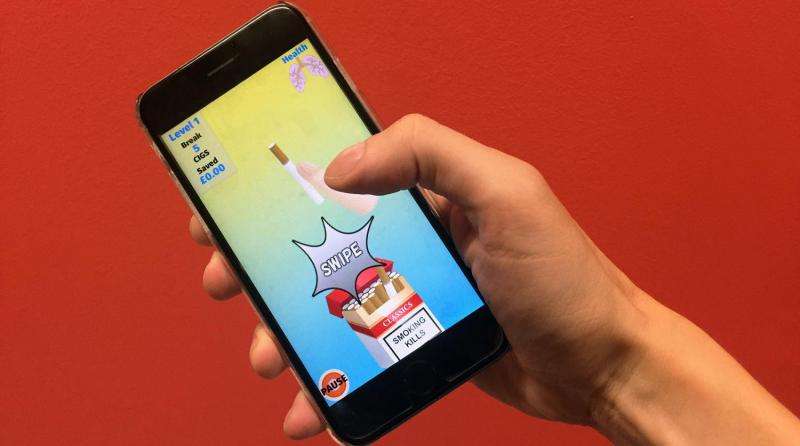
    Academics from Kingston University London and Queen Mary University of London have created a smartphone gaming app to help smokers quit. Credit: Kingston University

    A smartphone app that could help smokers stick to New Year’s resolutions to quit by playing games to combat cravings has been developed by academics at Kingston University London and Queen Mary University of London (QMUL).

    Cigbreak Free was the brainchild of games creation processes lecturer Hope Caton, from Kingston University London’s School of Computer Science and Mathematics, and Robert Walton, Professor of Primary Medical Care at QMUL.

    Ms Caton – who has extensive experience in video games, having worked on global hit TombRaider IV: The Last Revelation – teamed up with Professor Walton to see if they could combine a fun gaming experience with educational health messages to help smokers fight the urge to light up.

    The result of the collaboration between the two universities was an app that works like a regular smartphone game, with players having to complete tasks to progress through levels, gaining rewards and gold stars along the way. However, it also incorporates a combination of some 37 behavioural change techniques – theory-based methods for changing behaviour – selected by QMUL health psychologists to help smokers quit, Ms Caton explained. “People think games are frivolous but we learn a lot through play,” she said. “The good thing about a smartphone gaming app is that you can play it anywhere.

    “Craving is a short-term thing, so if you get a craving at 11am, you can play the game in the warm until it passes, rather than going out into the cold for a cigarette. You’ve also got something to do with your hands other than smoke.”

    Smokers keen to break the habit as part of New Year's resolutions can now play games to help them quit with new smartphone app
    Hope Caton from Kingston University London with the new smartphone app that allows smokers to play games to help them quit. Credit: Kingston University

    In the game, players have to swipe a certain number of cigarettes to break them within a time limit. As well as progressing through levels, the app includes a quit journal where users can calculate how much money they are saving. There are also mini-games where players have to clear smoke from a room to reveal a health message.

    The app has now been commissioned for use by five London boroughs – Kingston, Kensington and Chelsea, Hammersmith and Fulham, Tower Hamlets and the City of Westminster – as part of their public health smoking cessation services. Residents can download it, enter their postcode and use the app for free, with several hundred people having downloaded Cigbreak Free so far.

    Ms Caton and Professor Walton were authors of a recent research study published in the British Medical Journal, which analysed the use of behaviour change techniques and game-like elements in health apps currently on the market. They found that very few of the health apps they looked at were using games to help people make positive health changes.

    The development of the app was inspired by a desire to exploit the latest trends in gaming to help improve people’s health, according to Professor Walton, from QMUL. “Some of the health messages and behaviour change techniques we have used in the game are based on our previous research and include showing players the health consequences of a behaviour, gaining points for grabbing healthy items, or providing virtual financial incentives.

    “We’re essentially trying to ‘gamify’ these messages and techniques as a way of embedding them in a person’s mind, in the hope that they will then be able to quit smoking.”

    Smokers keen to break the habit as part of New Year's resolutions can now play games to help them quit with new smartphone app
    Gamers playing the new smartphone app designed by academics from Kingston University London and Queen Mary University of London are rewarded with gold stars as they progress through levels on their journey to quit smoking. Credit: Kingston University

    Rewards in the game were a way of giving smokers instant positive feedback, Ms Caton added. “When you’re trying to quit smoking you don’t get much instant feedback except desire. Your health is better but somehow it doesn’t have the same effect as being told you’re winning or getting a gold star,” she explained.

    “We had to find subtle ways to include health messages so they don’t turn people off from playing, so the medical team ran 10 focus groups with 120 people to find out what worked and what didn’t.”

    The team’s research is now being incorporated within teaching at Kingston University London, as part of digital smoking cessation intervention work led by associate professor Dr Darrel Greenhill. Students on the University’s postgraduate game development courses are helping build the next upgrade for the app, using analytics gathered from users to inform improvements to gameplay – with the aim of providing more personalised support to help smokers quit.

    “It’s really good experience for our Masters students to be able to work together on projects such as this as part of their digital studio practice module,” said Dr Greenhill, course director for the University’s game development programmes. “Our courses have been developed in consultation with representatives from the likes of Sony Interactive Entertainment Europe and Telefonica Europe. This insight, along with the opportunity to work with clients on real-world game development, helps provide them with the vital skills needed when seeking employment in the digital media industry.”

    In January – a key time for smokers to make the resolution to quit – the team will begin a three-month pilot study with app users to evaluate its effectiveness. “The next step for us is to prove quit rates,” Ms Caton said. “We’ve had people smoking 25 cigarettes a day quit, some who’ve gone from 25 to four. It shows it can be effective but we need to get the analytics into the app to get more data and that’s something we’re working on now.”

    https://medicalxpress.com/news/2017-01-smokers-keen-habit-games.html
  • Smokitten, the game

    What’s Smokitten?

    Smokitten is a serious game to stop smoking… or never start!The purpose of mobile game Smokitten is to help smokers quit cigarettes and raise awareness among children about the dangers of tobacco. Despite its educational goal, Smokitten is primarily a video game – i.e. an engaging tool with which the player can have fun and enjoy playing again and again. So Smokitten falls into the Games for Change category.

    Smokitten and Smokitten Park are available for Android and iOS smartphones and tablets since September 2018.

    Why did we do this project?

    Tobacco is an extremely sensitive topic, and a real public-health problem. In France, smoking is actually the biggest cause of preventable death, killing about 66,000 people a year. And yet… of the country’s 15 million smokers, more than half say they want to quit. But tobacco cessation is a complicated and personal process that requires tools, aids and other assistance. That’s why we created Smokitten. (sources: Tabac Info Service, CNCT)

    The game’s concept?

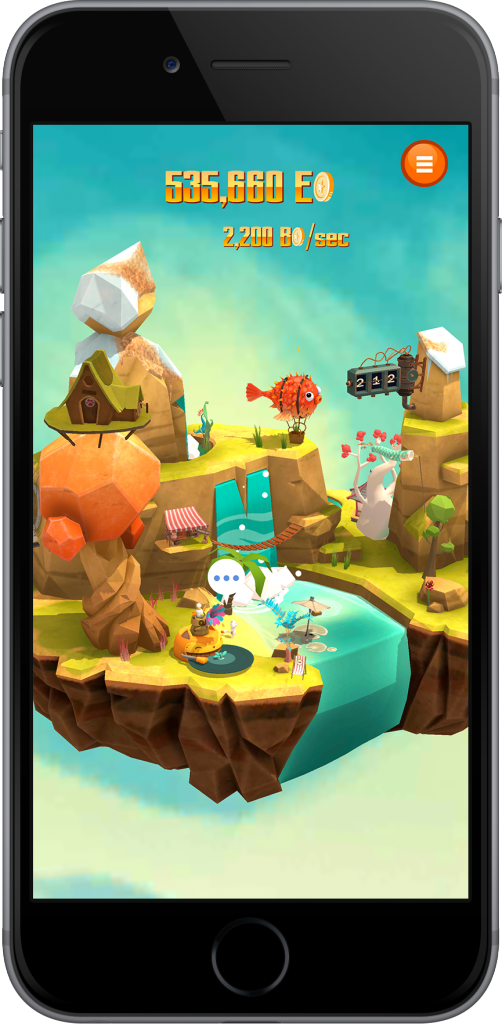
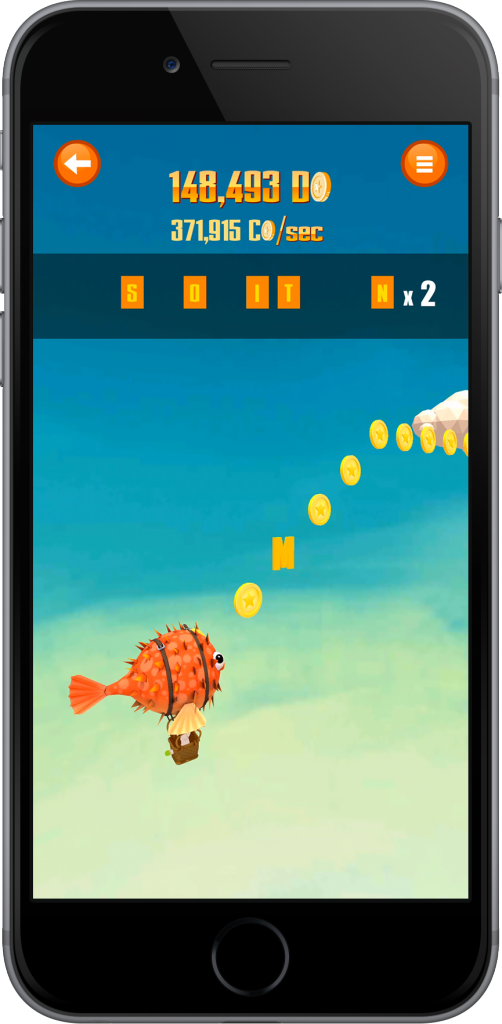
    In Smokitten, you must look after a small virtual companion: a smoking kitten that wants to break its tobacco addiction! To help, you need to entertain the kitten with multiple activities that are both simple and very absorbing and/or relaxing (running, yoga, fishing…).

    Thanks to the many mini-games that will keep you busy during your cigarette breaks, you will collect virtual money to buy plants, trees and all kinds of other objects in order to personalise your island just how you like, so that it becomes increasingly attractive.

    ile qui s'embellit

    Smokitten helps you fight the urge to smoke, but also monitor your progress and get support from an entire community by sharing both your doubts and successes with them – as the app lets players interact. Your children, friends, family and colleagues can send personalised messages of support whenever you feel you’re on the verge of giving in. Tobacco use often begins for social reasons, so we think it’s important to deploy the same weapons for tobacco cessation!

    Lastly, if you can stick 222 days without smoking with Smokitten, you will crack the mysterious secret of the island your companion is on…

    Who’s Smokitten for?

    There are two versions of this serious game : Smokitten, for smokers of all ages who are keen to kick the habit; and Smokitten Park, designed mainly to make children aware of the risks of cigarettes and the damage they do. So whether you’re a smoker or non-smoker, and a parent or child, Smokitten is the mobile game designed and tailored to everyone – and that’s one of the key original aspects of our application!

    Did you know? In France, the average age when people smoke their first cigarette is 11 years 8 months! (source: CNCT)

    A game co-produced with experts and a whole community

    To make this project a success, we are working with the Centre Hygée (the cancer prevention centre for the Auvergne-Rhône-Alpes region) and CIPRET Valais (an addiction-prevention charity). We are also supported by a community of 400-plus people, mainly female smokers, who helped us raise nearly €25,000 through our crowdfunding campaign on Ulule. Our community is giving us tremendous help to improve the game by sending regular feedback.

    Who we are

    We’re an independent studio called DOWiNO who make serious games. We want to see these tools, with their high social utility, being used widely by the general public. We achieved this with A Blind Legend and with GlucoZor, the video game that helps diabetic children manage their condition daily.

    https://www.smokitten.com/en/smokitten-le-jeu/

  • Benefits of tobacco to the economy

    The tobacco industry argues that it can satisfy employment field and also government in case of revenue. However there are two points in this argument. Firstly, it underestimates the magnitude of tobacco’s impact on the economy by ignoring costs such as lost productivity and provision of health care for illnesses caused by smoking. Secondly, the industry exaggerate the importance of jobs in the tobacco industry by assuming that resources devoted to tobacco production and distribution would disappear if tobacco production were reduced or if sales were to decline.

    Reduced lifetime demand for health care services:

    It is often argued that smokers actually save the taxpayer money by dying early, thereby avoiding lengthy and expensive care in old age.

    A Danish study has examined the question of lifetime impact on health care by estimating the health costs to society over the entire lifetime of smokers compared to those who quit smoking. The researchers found that the potential lifetime health costs to society associated with continuing to smoke are substantial, in terms of both excess health care operation and reduced worker supply. The potential direct and productivity lifetime health cost savings to society associated with quitting are highest at the younger ages. Comparing 35-year-old ex-smoking men who quit smoking at the age of 35 with 35-year-old continuing smokers, the direct lifetime health cost savings of smoking cessation to society are 30-42%. The corresponding results are 34-43% in ex-smoking women. However the direct lifetime cost savings of smoking cessation to society is reduced to less than 12% in ex-smokers who quit later than at the age of 55.

    To read the entire article click on this link

    Essays, UK. (November 2018). The Role Of Tobacco In The Economy Economics Essay. Retrieved from https://www.ukessays.com/essays/economics/the-role-of-tobacco-in-the-economy-economics-essay.php?vref=1

  • 101 Things to Do Instead of Smoking

    Distract yourself and the urge to smoke will pass

    By Terry Martin

    As of Dec. 20, 2019, the new legal age limit is 21 years old for purchasing cigarettes, cigars, or any other tobacco products in the U.S.

    Quitting smoking is tough, there’s no doubt about that. When a craving hits, it’s often best to redirect your attention and find something to do that will replace that cigarette. The majority of the time, the urge to smoke will be gone within moments.

    There are countless things you can do to get through the first stages of withdrawal. From chores around the house to exercise, or even taking up a new hobby, the key is to find the distractions that work for you. Even the simplest things can jolt you out of a certain mindset and break any negative thought patterns that come up when trying to break a nicotine addiction.

    Let’s explore some of the many activities that ex-smokers have used to help them quit. After reading these, you’ll probably come up with a few of your own. Embrace those and turn to them every time you feel like smoking. With time, practice, and diligence, it becomes easier.

    Cigarette craving busters
    Verywell / Jessica Olah

    5-Minute Craving Busters

    It’s always good to have something quick and easy that you can do at a moment’s notice and these five-minute craving busters can do the trick. They don’t take a lot of effort or time, but they’re enough to replace the habit of grabbing for a cigarette.

    • Drink a glass of water. It’s surprising how well this works.
    • Eat a dill pickle.
    • Suck on a piece of tart candy.
    • Eat a popsicle or wash and freeze grapes on a cookie sheet for a healthy frozen snack.
    • Floss and brush your teeth.
    • Chew gum.
    • Eat a hot fudge sundae.
    • Whistle or hum for a while.
    • Do three sets of ten jumping jacks.
    • Run in place.
    • Crank up the radio and sing at the top of your lungs (works great while driving).
    • If music is playing, dance like no one is watching.
    • Slather on rich, creamy hand lotion and rub, rub, rub! It keeps fingers busy and reminds you how nice it is that they don’t smell like tobacco.

    Work on Not Smoking

    Whenever you’re changing a habit, it can be easy to dwell on the things you’ll miss, which only heightens your feelings of being deprived. Turn the tables on that thinking and concentrate on the things you will gain by not smoking instead. Educating yourself about the good things you have to look forward to—or the bad things you might avoid—by not smoking is a great reminder of why you’ve made this decision.

    Avoid Isolation

    It’s very easy to isolate yourself, especially when you’re trying to tackle such a big change in your life. Do your best to avoid this and take some time to interact with people. You can talk about what you’re going through if you like, but it’s not required. Sometimes a simple conversation about everyday life can be just the lift you need.

    • Call a friend.
    • Give someone you love a huge hug and tell them how much they mean to you.
    • Spend time with a child.
    • Write an old-fashioned, hand-written letter to someone you care about.
    • Volunteer somewhere in your community.
    • Call your mother or grandmother. You know they’d love to hear from you!
    • Write a list of things you are grateful for.

    Distract Yourself at Home

    When you’re not spending so much time smoking, you will be amazed at what you can get done. This is your chance to knock off your to-do list around the house and there’s probably plenty to keep you busy.

    Some of these chores are just busy work and they might not even need to be done. However, they will keep your hands busy and offer an hour or two of distraction. Besides, when things are clean and organized, you’ll feel better.

    • Wash the car.
    • Wax the car.
    • Check your car’s tire pressure.
    • Clean the inside of the car.
    • Clean the basement or garage.
    • Scrub the floor.
    • Do the laundry.
    • Clean out a closet in the house.
    • Organize your boxes of pictures.
    • Alphabetize your bookshelves.
    • Organize the junk drawer.
    • Paint a room in the house.
    • Go outside and do some gardening.
    • Start a vegetable garden.
    • Make a to-do list for the week ahead.
    • Start a home budget.
    • Shred that pile of paper you’ve been meaning to get to.
    • Start planning a vacation that will be funded by the money saved by not smoking for a year.
    • Plan next week’s dinners and make a shopping list to match.
    • Try a new recipe.
    • Bake a cake.
    • Chop up veggies for a stir-fry or quick, healthy snacking.
    • Wash the dog.
    • Play with the cat.
    • Read a book.
    • Watch a funny movie on TV.

    Keep Your Hands and Mind Busy

    Many ex-smokers find that they not only need a mental distraction, but they also need to find ways to keep their hands busy. Cigarettes are interactive, after all, and this can be one of the biggest obstacles you face.

    Now may be a great time to take up a new hobby. There are plenty of options available and it doesn’t have to be anything too involved or long-term. Yet, you may find that you’re really good at something you never thought of pursuing before.

    • Take up a new hobby or interest. 
    • Get your camera out and take some pictures.
    • Knit a scarf. Learning to knit or crochet is one of the top recommendations from ex-smokers.
    • Start a sewing project.
    • Write a poem.
    • Write a short story.
    • Paint a picture.
    • Grab crayons or colored pencils and color a picture.
    • Make a greeting card.
    • Spend some time scrapbooking.
    • Digitize the family photos or print out your digital photos.
    • Create a puzzle from a family photo.
    • Create a family cookbook.
    • Build something with wood.
    • Refinish or reupholster a piece of furniture.
    • Make a terrarium.
    • Make homemade candles or soap.
    • Do a jigsaw puzzle or find one online at Jigzone.com.
    • Do a crossword puzzle.
    • Play a game of internet scrabble.

    Be Active

    One thing that deters many people from quitting is the fear of gaining weight. You can help avoid that while distracting yourself by doing small things to stay active. If you’re going to pick up a new habit to replace the old, it might as well be a healthy one, right?

    • Go for a walk.
    • Go to the gym and work out.
    • Try a new exercise routine.
    • Jump on the treadmill and work up a sweat.
    • Ride a bike.

    Get Out and About

    There are times when a change of scenery can do wonders for the mind. When you’re tired of hanging around the house, step outside and find somewhere to go. It’s a lot of fun and can be very relaxing.

    • Window shop at the mall. It’s a great place to walk, too.
    • Grab your pole and tackle and head out to the pond for some fishing.
    • Take a day trip.
    • Go out to lunch or dinner.
    • Go antique shopping.
    • Get out into nature.
    • Go play mini-golf.
    • Go out to the movies.
    • Watch the sunset.
    • Donate blood.

    Embrace Relaxation and Treat Yourself

    Possibly more important than anything else, do what you can to take care of your mental and physical health. Learning how to relax (and actually enjoy it) can do wonders for your outlook during this transition. Take some time for yourself and enjoy the moment, the rest you get will do you good.

    • Practice smiling in the mirror because it releases endorphins that make you happy.
    • Stop and really smell the roses.
    • Turn your bathroom into a spa to relax and rejuvenate.
    • Take a shower.
    • Take a candle-lit bath.
    • Listen to a relaxation tape or some favorite music.
    • Do some deep breathing for a few minutes.
    • Practice meditation.
    • Take a nap.
    • Treat yourself to a massage.
    • Give yourself a manicure and pedicure.
    • Color your hair.
    • Let your partner cook supper for you.

    A Word From Verywell

    Be patient with yourself and you will get through this phase, just as others have. You may even emerge from nicotine withdrawal with a new hobby or interest that you can pursue with the time you’re no longer devoting to cigarettes.

    https://www.verywellmind.com/things-to-do-instead-of-smoking-2824746